
Sources: Modified H20 Chip Coming to China as Nvidia Responds to U.S. Sanctions
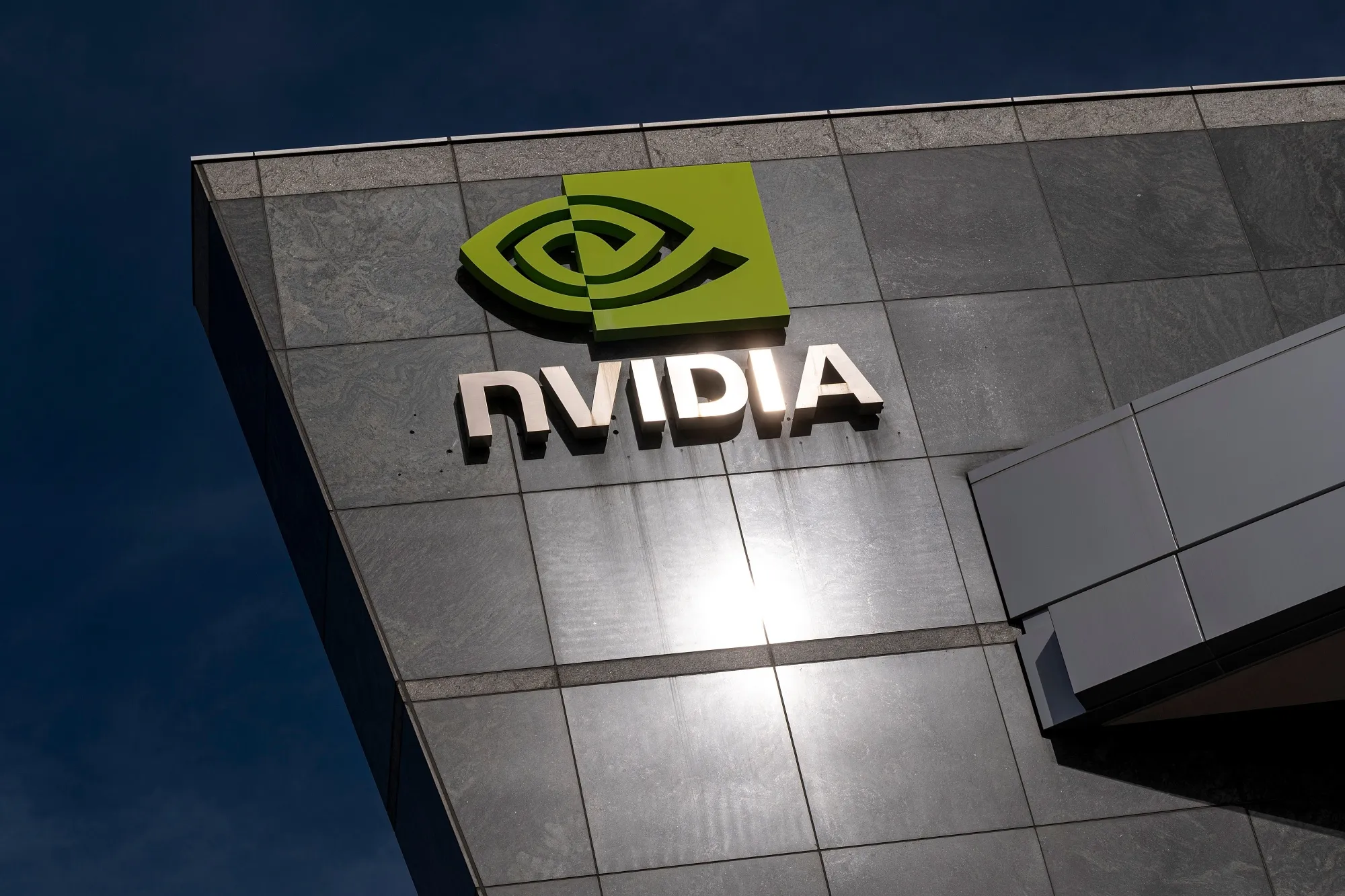
Nvidia headquarters in Santa Clara, California. Photographer: David Paul Morris/Bloomberg

BEIJING, May 9 (Reuters) – Nvidia plans to launch a downgraded version of its H20 AI chip for China within the next two months, according to three sources familiar with the matter. The move comes after the original chip was hit by new U.S. export restrictions.

Two sources said Nvidia has informed major Chinese clients, including top cloud providers, that the modified H20 will be available by July.

The downgraded H20 is Nvidia’s latest effort to retain access to the Chinese market amid tightening U.S. controls on advanced semiconductor tech. The original H20, Nvidia’s most powerful AI chip cleared for China, was blocked last month when U.S. officials said it now requires an export license.

Nvidia has adjusted the chip’s specifications, with one source noting a major cut in memory capacity. Another source said customers might still be able to tweak the module design to modify performance.

Nvidia declined to comment, and the U.S. Commerce Department hasn’t responded.

China brought in $17 billion for Nvidia—13% of its total revenue—in the fiscal year ending January 26. Underlining its importance, Nvidia CEO Jensen Huang visited Beijing last month, just after the export rules were updated, stressing China’s value to the company in talks with officials.

U.S. curbs on Nvidia’s advanced chips began in 2022 over concerns about their potential military use. The H20 was launched after stricter export rules were introduced in October 2023.

Chinese firms like Tencent, Alibaba, and ByteDance ramped up H20 orders to meet rising demand for budget AI tools from startups like DeepSeek. Nvidia had reportedly received $18 billion in H20 orders since January.

AI Could Overtake Google Search, Shaking Up Big Tech, Hints Apple’s Eddy Cue

Apple and Alphabet both took a hit on Wednesday after a courtroom comment from Eddy Cue, Apple’s head of services, sent shockwaves through the tech world. Cue said he believes AI-driven tools will eventually take over from traditional search engines like Google. That statement, reported by Bloomberg, helped push Alphabet shares down over 7%, with Apple stock also slipping by 2%.

Cue’s remarks came as he testified in a Washington D.C. federal court during the ongoing antitrust case against Google. The U.S. Justice Department is trying to prove that Google maintains an illegal monopoly in online search, largely through deals like the one it has with Apple — where Google reportedly pays Apple up to $20 billion a year to remain the default search engine on iPhones.

That deal is under scrutiny, and Cue’s testimony revealed some internal concerns. While he said Google should remain the default for now, he admitted that he’s worried about losing that revenue stream. “I’ve lost sleep over it,” he reportedly told the court.

Eddy Cue, senior vice president of internet software and services at Apple Inc., speaks during a keynote session at the South By Southwest (SXSW) conference in Austin, Texas, U.S., on Monday, March 12, 2018. David Paul Morris | Bloomberg | Getty Images


But Cue also made it clear that the search landscape is changing. He said Apple is exploring adding AI-driven tools like OpenAI, Perplexity, and Anthropic to Safari, offering users more intelligent, AI-powered alternatives to standard search.

Cue also noted a drop in Safari search volume in April — the first decline Apple has seen — and linked it directly to the growing use of AI tools for finding information.

For Google, the stakes are high. The outcome of the case could affect its dominance in search and disrupt the core of its advertising empire. For Apple, there’s risk too. The default search deal is incredibly lucrative, and shifting away from it could create short-term pain — even if the company is eyeing longer-term AI opportunities.

One thing is clear: traditional search is under pressure, and the courtroom drama could be a preview of even bigger changes to come in how we all find information online.

Smart Navigation: The Quiet Engine Behind Rail Growth

Trains, tracks, stations and cargo form the visible part of rail. But the invisible layer—navigation systems—is what keeps everything running smoothly. These systems are now central to rail network growth and efficiency.

Why Navigation Matters Now Rail usage is expanding fast. With that comes:

  • Faster trains, more complex stations.
  • More passengers, more confusion.
  • More freight, higher coordination demands.

Smart navigation solves this. It speeds up passenger movement, improves logistics, and enhances scheduling. The result: fewer delays, higher satisfaction, and stronger economic returns.

Freight Rail Needs It Too Six major U.S. railroads generate 93% of freight revenue. Coordinating these vast operations demands better real-time navigation and tracking systems.

Economic Impact of Navigation

  1. Passenger Flow = Revenue: Clear navigation leads to higher foot traffic in station shops and services.
  2. Efficiency = Lower Costs: Better tracking of trains, crews, and maintenance cuts delays and saves money.
  3. Real Estate Uplift: Well-navigated stations raise the value of surrounding property and boost local economies.

Poor Navigation = Big Problems

  • Missed trains and connections
  • Passenger confusion and overcrowding
  • Emergency response delays
  • Supply chain disruption and idle freight

What a Navigation System Includes

  • Indoor wayfinding for passengers
  • Real-time digital signage
  • Train, crew, and freight tracking
  • Mobile apps for travel and retail info
  • AI dispatch optimization

Market Outlook Railway telematics is projected to grow from $4.4B (2023) to $6.32B (2028), driven by smart systems and IoT adoption.

Examples in Action

  • Shinjuku, Tokyo: 3.5M daily users guided by real-time signage and indoor mapping.
  • Mapsted: Offers hardware-free indoor navigation using Wi-Fi signals. Toronto stations using Mapsted saw improved passenger flow and retail sales.

Technology Behind Navigation

  • GPS alternatives for indoors
  • Traffic flow analytics
  • AI for demand prediction
  • Multi-modal integration (trains, buses, subways, airports)

Five Ways Navigation Powers the Rail Economy

  1. Boosts throughput without expansion
  2. Drives retail revenue in stations
  3. Reduces missed connections
  4. Improves accessibility for all users
  5. Informs infrastructure investments

Smart navigation is not an add-on. It’s a key driver of operational performance, economic growth and user satisfaction in modern rail. For governments and rail operators, it’s time to go beyond tracks and engines—and prioritize intelligent, real-time, user-focused navigation systems.